
Understanding the Science Behind the Sounds
The sounds you hear from your water heater are more than just annoying; they are a direct consequence of basic physics and chemistry. Water; especially in certain regions of Minnesota, contains high levels of dissolved minerals like calcium and magnesium. These are the same minerals that cause soap scum in your shower and leave white residue on your faucets. When water is heated, these minerals become less soluble and separate from the solution, forming solid deposits.
Imagine a microscopic landscape at the bottom of your water heater tank. As water flows in and is heated, these mineral particles begin to settle. Over time, these tiny particles accumulate, bonding together to form a solid layer, much like how stalagmites form in a cave. This layer, also known as scale, is a poor conductor of heat.
Your water heater’s heating element (or burner in the case of gas heaters) is designed to transfer heat directly to the water. However, when a layer of scale forms between the heating element and the water, the heat has to travel through this insulating layer first. This makes the heating process less efficient, requiring more energy to achieve the desired water temperature.
The popping and hissing sounds are a direct result of this inefficient heat transfer. As the heating element attempts to heat the water, the scale layer traps small pockets of water and steam. When these trapped pockets of water reach a high enough temperature, they rapidly turn into steam. This sudden expansion of steam creates pressure, forcing its way through the sediment layer. This rapid release of pressure is what you hear as popping or crackling. The hissing sound often comes from smaller bubbles of steam escaping more continuously.
The Dangers of Neglecting Scale Buildup
Beyond the annoying sounds and increased utility bills, the long-term effects of scale buildup are significant and potentially disastrous. The constant heating and cooling cycles, combined with the presence of insulating scale, put immense stress on the water heater tank.
Because scale is a poor heat conductor, the heating element has to work harder and hotter to heat the water through the scale layer. This can lead to localized overheating of the tank’s metal at the points where scale is thickest. As metal heats up, it expands, and as it cools, it contracts. This repeated expansion and contraction, known as thermal cycling, can weaken the tank’s structural integrity over time.
Think of bending a metal wire back and forth repeatedly; eventually, it will break. Similarly, the constant stress of thermal cycling can lead to tiny cracks, or “fissures,” forming in the tank’s lining. Initially, these cracks may be microscopic and not cause any immediate issues.
However, as the scale continues to accumulate, its sheer weight adds another layer of stress. The sediment presses down on these developing fissures, exacerbating the damage.
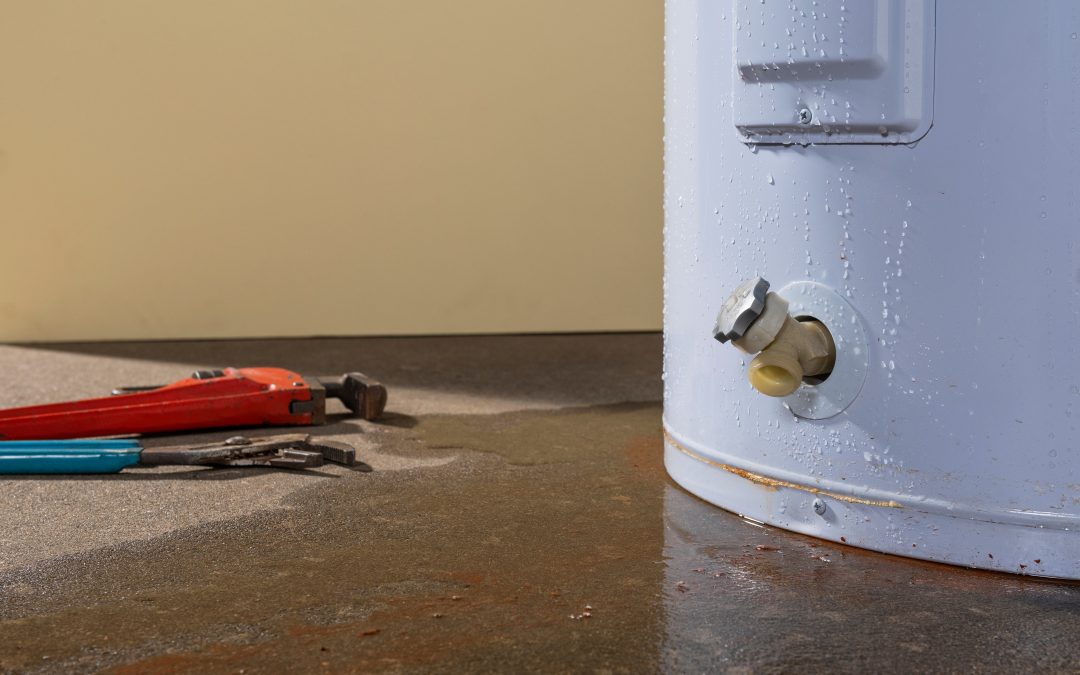
Eventually, if left unaddressed, these small fissures can propagate and grow into larger cracks. When the tank’s structural integrity is compromised to a critical point, a sudden rupture can occur. This means the entire contents of your hot water heater (typically 40-50 gallons) can rapidly flood your basement or utility area, causing significant water damage to your home, personal belongings, and potentially leading to mold growth if not dried out quickly and thoroughly. The cost of repairing such damage and replacing a ruptured water heater can be substantial, far exceeding the cost of preventative maintenance or a water treatment system.
Preventative Measures and Solutions
The good news is that these issues are preventable. The primary cause of scale buildup is hard water, so the most effective long-term solution is to address the water hardness itself.
One common preventative measure is to periodically flush your water heater. This involves draining the tank to remove accumulated sediment. While flushing can help, it may not be entirely effective at removing stubborn, compacted scale that has adhered firmly to the tank walls.
For a more permanent solution, consider a water softener. A water softener removes the calcium and magnesium ions from your water before they enter your home’s plumbing system, preventing scale buildup in your water heater, pipes, and other appliances like dishwashers and washing machines. This not only extends the life of your appliances but also improves the efficiency of soap and detergents.
Ben Holzer Unlimited Water specializes in the diagnosis and treatment of hard water. We offer a comprehensive approach, starting with a water test to determine the exact mineral content of your water in your home. This allows us to recommend the most effective and tailored water treatment solution for your specific needs. Don’t wait until you have a burst water heater and a flooded basement. Contact us today to see if the water in your home is damaging your appliances and to explore options for protecting your investment, ensuring a reliable supply of hot water for years to come.