
Running a successful restaurant is an intricate balancing act. A restaurant owner must master numerous elements to thrive: creating a welcoming ambiance, ensuring impeccable service, and, most critically, serving food that delights the palate. With such a demanding list of priorities, it’s easy for a vital, yet often overlooked, resource to fall lower on the list: your water supply.
While every owner understands the necessity of safe water, the difference between merely safe and truly high-quality water can be the secret ingredient that elevates an establishment from good to great.
The Unseen Impact of Water Quality
Of course, no restaurant can survive using water that is contaminated or unsafe. However, moving past the fundamental need for potable water, the quality; specifically the softness and flavor; has profound implications for every facet of your business.
Elevated Taste Experience for Patrons
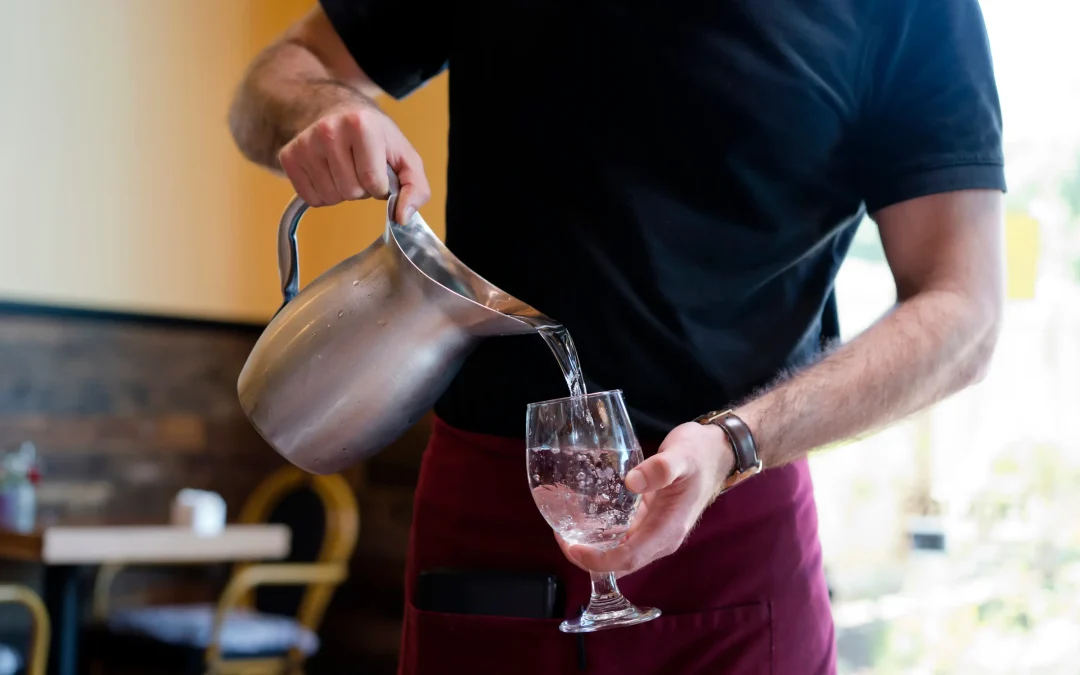
Customer perception of your restaurant often begins with the simplest offering: a glass of water. If a patron orders a refreshing glass of water, perhaps with a twist of lemon, only to be met with a heavily chlorinated, metallic, or otherwise off-flavored taste, the experience is immediately branded unpleasant. This initial negative impression can taint the enjoyment of the entire meal. While water in food-centric states like Minnesota is guaranteed to be safe by municipal standards, these standards prioritize safety, not flavor.
A dedicated water treatment system ensures your water tastes crisp, clean, and truly refreshing. This minor detail vastly improves the dining experience and reflects a commitment to quality that customers appreciate.
Better Food and Beverage Quality
The water used in cooking and brewing is just as much an ingredient as salt or fresh produce. Hard water (high mineral content), highly acidic water, or heavily chlorinated water can drastically interfere with the intended flavors of your dishes.
- Distorted Flavors: The minerals in untreated water can chemically interact with ingredients, dulling subtle flavors and altering the balance of complex sauces or broths.
- Cooking Inefficiencies: Hard water requires more energy to boil and can interact with starches and proteins, leading to tougher meats, less efficient baking, and extended cooking times, which decreases kitchen efficiency.
- Superior Beverages: For any restaurant serving coffee, tea, or house-made soda, the water quality is paramount. Soft, filtered water unlocks the full, true flavor of coffee beans and tea leaves, creating superior beverages that keep customers coming back.
Spotless Dishes and Glassware
First impressions matter, and nothing detracts from a meticulously set table faster than water spots, limescale buildup, or a cloudy film on plates and glassware. When washing dishes with hard water, the high mineral content (calcium and magnesium) prevents soap from lathering effectively and leaves behind mineral deposits.
Even restaurants drawing water from municipal sources—as is common across the many cities in eastern states like Pennsylvania, Maryland, and New York—can experience significant hardness. These persistent mineral stains and scale not only steal from the overall aesthetic of your restaurant but also suggest a lack of cleanliness, regardless of how thoroughly the dishes were cleaned. Softened water eliminates these mineral residues, ensuring every plate, fork, and glass sparkles, presenting your food in the best possible light.
Protecting Valuable Equipment and Reducing Operational Costs
Untreated water is physically harsh on plumbing and expensive kitchen equipment. The financial ramifications of poor water quality can accumulate rapidly:
Appliance Longevity: Appliances such as dishwashers, ice machines, steamers, and espresso makers constantly exposed to hard water will suffer from internal scaling and mineral buildup, leading to decreased efficiency, increased maintenance needs, and premature failure. This loss of integrity translates directly to high replacement costs.
Plumbing Damage: Severe hard water scaling can eventually clog pipes and faucets entirely. Furthermore, water that is too acidic can aggressively corrode metal piping, leading to pinholes and leaks that require costly emergency repairs.
Investing in water treatment is a proactive defense against high repair and replacement costs, protecting your long-term capital investments.
The Clear Solution
The cumulative negative impacts of hard, acidic, or chlorinated water on a restaurant’s taste, aesthetics, efficiency, and finances are undeniable. Therefore, implementing a robust water treatment strategy is not an expense, but a fundamental business necessity.
Effective solutions, such as reverse osmosis filtration systems for the highest quality drinking and cooking water, and commercial water softeners for protecting equipment and ensuring spotless dishware, directly address these common issues.
Ben Holzer Unlimited Water offers customized, affordable water treatment systems designed specifically for commercial demands. Protect your reputation, enhance your product, and safeguard your equipment. If you want to ensure your water is an asset, not a liability, call BHU today to schedule a comprehensive water test. We are ready to serve you!