
When to Call for Water System Repairs: Key Signs
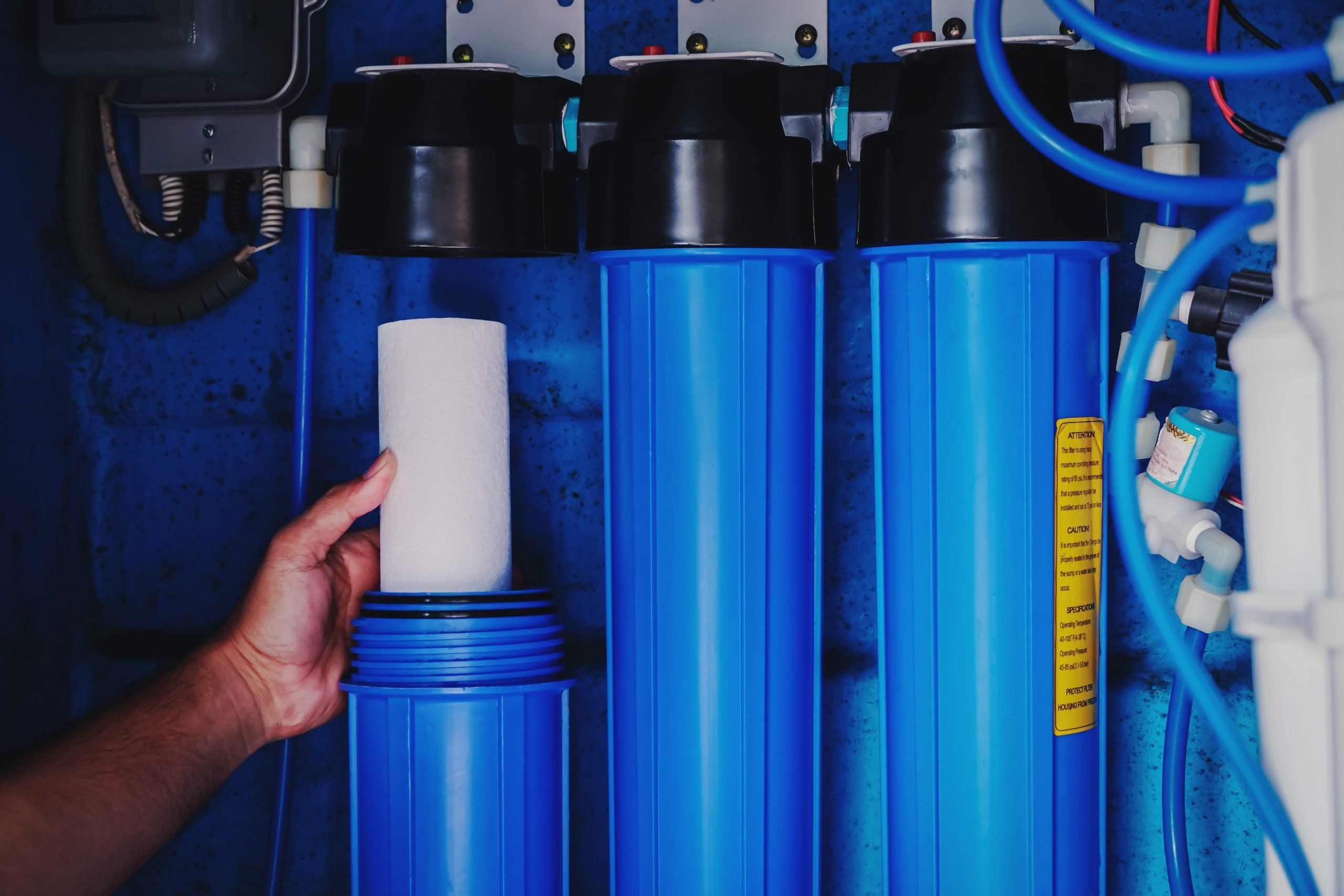
Your water softener and reverse osmosis system both serve important functions. The former removes magnesium and calcium ions from your tap water, thus protecting your skin, hair, plumbing and water heater from damage. The latter removes chemical contaminants from your water, which spares you from drinking chloride, lead, arsenic, radium, and a whole host of other stuff that you’d much rather not have inside your body.
Keeping these two systems in peak working order is essential to avoiding expensive home repairs – not to mention serious health issues. But how do you know when your water softener or reverse osmosis system is in need of repair? Let’s go over the key signs!
Signs Your Water Softener Needs Repair
Is your water softener consuming less salt than usual? Sadly, that doesn’t mean it has become more efficient. It means it is no longer functioning as effectively as it once did, and requires immediate repair to return to normal operation.
Reduced salt intake aside, the signs of a malfunctioning water softener are pretty self-evident. If you notice any of the following signs of hard water, then you are encountering direct evidence that your water softener isn’t doing its job.
- You feel residue on your hands after washing them
- You see more soap scum in your sink or shower than usual
- Your hair feels dry and your skin feels irritated after bathing
- You notice lower water pressure than usual, or clogged pipes (both indications that minerals are depositing within pipes and restricting them)
- Your dishwasher and clothes washer are no longer performing as well as they used to
- Your laundry appears dingy and feels coarse to the touch
- You see spots on your dishes after washing them
- You see white, scaly buildup around faucets and sinks
- Your water bills have gone up
If you would like to confirm that your water softener isn’t functioning correctly, then you can conduct a water hardness test. In essence, this test requires nothing more than dampening a piece of paper and waiting for its color to change. If the test indicates that your tap water’s calcium carbonate concentration is higher than 60 mg/L, then you have hard water.
Signs Your Reverse Osmosis System Needs Repair
It’s not uncommon for someone to notice that their reverse osmosis system no longer appears to be working as well as it used to. If you feel this way, for any reason, then it’s best to set your mind at ease by requesting a checkup from a technician.
When a reverse osmosis system is malfunctioning, it may offer any number of signs that it needs immediate repair. Stay on the lookout for any of the following.
- Water flows at a slower rate than normal
- Water appears cloudy, especially when it is frozen
- Water tastes or smells strange
- Water leaks from pipes or membrane housing
- System emits strange noises during operation
- System runs continually, or more frequently than normal
Before you call for reverse osmosis system repair, make sure it doesn’t just need a water filter or membrane replacement. Filters typically require replacement every six months. Membranes usually last for two to three years. If replacing these components doesn’t restore your system to its former glory, then professional maintenance and repair are advisable.
If you live or own commercial property in the greater Perham, MN area, then we welcome you to contact Ben Holzer Unlimited Water for all your water softener and reverse osmosis system needs. We specialize in water treatment systems. We have seen it all during many years in business. There are no malfunctions we can’t quickly do away with!